13th February 2026
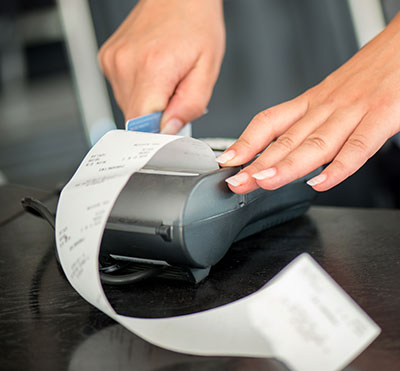
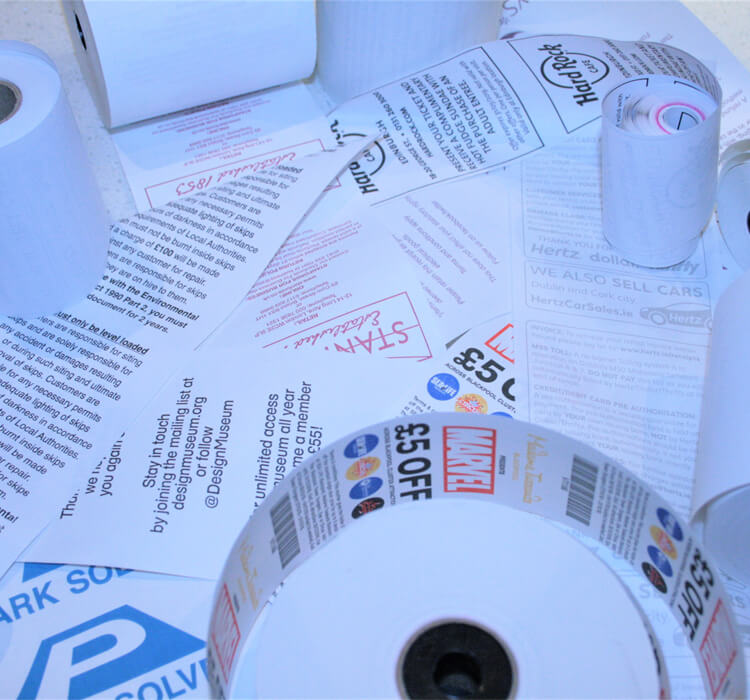
Thermal rolls are used every day across industries such as retail, hospitality, transport, and logistics. They are found in receipts, tickets, and order slips, helping transactions run smoothly and records stay clear. For businesses that rely on quick and consistent printing, they provide a straightforward and dependable option.
For businesses sourcing from BPC UK, thermal rolls are designed to match the demands of busy environments, where speed, clarity, and consistency matter.
Thermal rolls are paper rolls coated with a heat-sensitive layer. This coating reacts when exposed to heat from a thermal printer, creating text or images without the need for ink or toner.
Instead of using ink cartridges, a thermal printer applies heat to specific areas of the paper. The coating changes colour in those areas, forming the printed result instantly.
This simple process reduces mechanical complexity and keeps printing fast and efficient.
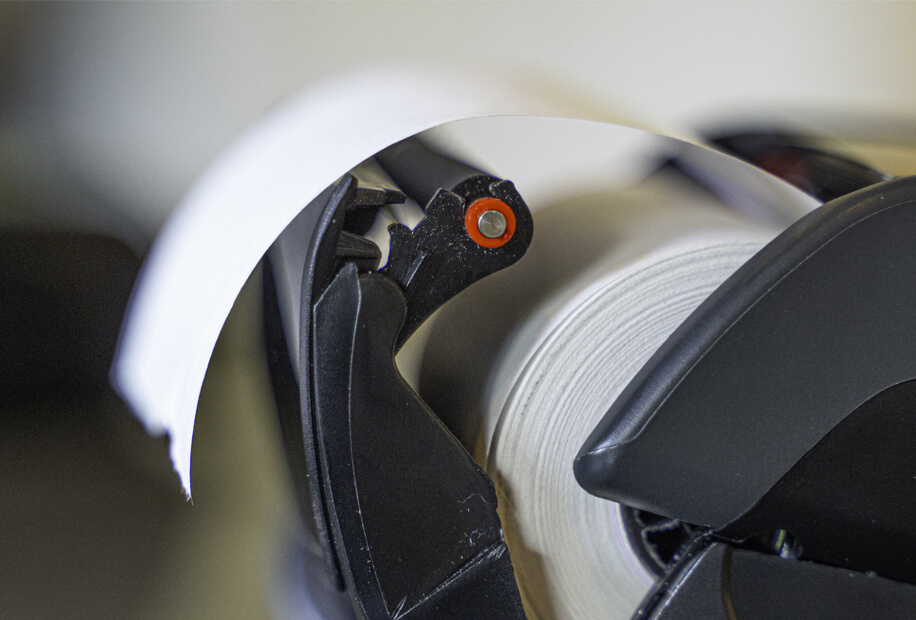
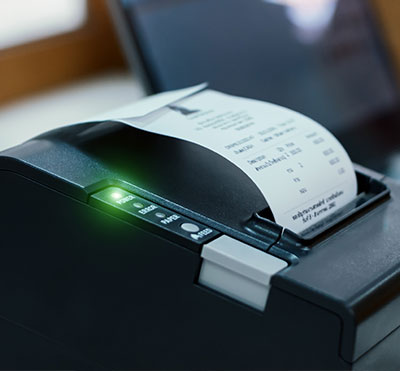
When a thermal roll is placed inside a compatible printer, the print head heats up in precise patterns. Each heated point activates the coating on the paper, producing sharp text or images.
Key points of the process:
This method allows businesses to produce receipts or labels in seconds, which is essential in high-volume environments such as retail checkouts or busy kitchens.
Thermal rolls are widely used across many sectors. Their versatility makes them suitable for both customer-facing and internal operations.
Common uses include:
Their ability to deliver quick, clean prints makes them ideal where speed and clarity are required without interruption.
Fast Printing Speeds: Thermal printers produce output almost instantly. This helps reduce queues and improve service during periods.
Lower Running Costs: There is no need to replace ink or toner. Over time, this reduces ongoing costs and simplifies stock management.
Clean and Consistent Output: Thermal rolls produce sharp, smudge-free prints. This is especially important for receipts, barcodes, and order details.
Compact Equipment: Thermal printers are typically smaller and require less maintenance. This suits environments where space is limited.
The main difference lies in how printing happens.
Standard paper requires ink or toner to transfer information onto the surface. Thermal rolls rely on a chemical coating that reacts to heat, removing the need for additional consumables.
This difference affects both cost and convenience. Thermal systems are often preferred for short-life prints such as receipts, while standard paper suits documents that need to last longer.
Not all thermal rolls are the same. Selecting the correct type helps avoid print issues and ensures compatibility with your equipment.
When choosing thermal rolls, consider:
Higher-quality rolls can reduce wear on print heads and improve overall print clarity.
Thermal paper reacts to heat, so storage plays an important role in maintaining quality.
To keep rolls in good condition:
Exposure to heat or friction can cause unwanted marks or fading, as the coating reacts even outside the printer.
Thermal rolls continue to support businesses that rely on quick and accurate printing. Their design allows for simple operation, minimal maintenance, and consistent output across a wide range of industries.
For businesses working with BPC UK, thermal rolls form part of a dependable supply chain that keeps transactions moving and systems running smoothly. For more information on our thermal paper rolls, call 01772 622804 or email sales@bpcuk.com.