8th September 2023
Transportation plays a vital role in our day-to-day life, and one essential part of any journey by public transport is a transport ticket. Over recent years, these tickets have undergone a remarkable transformation, moving from traditional paper-based systems to advanced digital platforms. In this blog, we’ll delve into how transport tickets have evolved from paper to digital.
Before technology became advanced, paper tickets were the primary means of gaining access to all available modes of transportation. Whether it was a train, bus, or tram, travellers needed to purchase physical tickets to embark on their journey. Same as today, these tickets came in different formats, including single-use tickets, passes, or season tickets, and had to be presented or stamped by the ticketing staff upon entry.
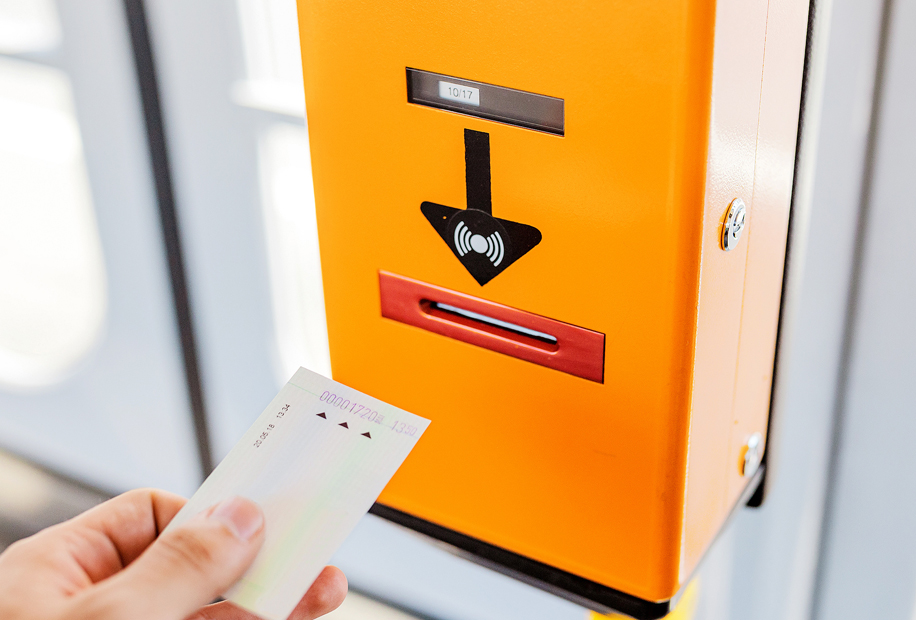
With advancements in technology beginning to take shape, tickets in the transport sector began incorporating magnetic stripe technology. Magnetic stripe tickets still used today, feature a magnetic strip on the back that stores data, allowing for improved ticket validation and control. Passengers can swipe or insert these tickets into ticket readers, which reads the encoded information and grants access to the passenger.
The next step in the evolution of ticketing came with the introduction of contactless smart cards and radio-frequency identification (RFID) technology. Contactless smart cards, such as London’s Oyster card, revolutionised ticketing systems by providing a convenient tap-and-go experience. Passengers could simply load credit onto their card and tap it on a reader to pay their fares, eliminating the need for paper tickets.
As soon as smartphones became popular, the transport ticketing landscape further evolved with the emergence of mobile ticketing and digital wallets. Travellers can store their tickets directly on their mobile devices using dedicated apps or integrated platforms. They can be scanned or validated through QR codes or Near Field Communication (NFC) technology, enabling a seamless and contactless experience.
Virtual tickets and e-tickets have recently become a popular form of ticketing in the transport industry. For example, in the air travel industry, instead of passengers receiving just a physical ticket, they can now opt for an electronic ticket via email confirmation or app which allows users to download the ticket onto their mobile phone. The digital ticket will contain all the required information, including the booking reference and barcode for passengers to check in easily.
The evolution of transport tickets from paper to digital has revolutionised the way we travel. From the early days of paper tickets to the advent of contactless smart cards, mobile ticketing, and e-tickets, digital transformation has brought convenience, efficiency, and sustainability to the forefront. As technology continues to advance, we can expect further innovations in transport ticketing, paving the way for a seamless and interconnected travel experience for all.
Here at BPC UK, we manufacture an array of transport tickets including bus, train, and airline tickets. We offer discounts on both our plain and printed transport tickets when bought in bulk – give us a call on 01772 622804 to find out more and see how much you could save!