9th June 2023
A ticket roll may seem like a simple, mundane item, but the history of a ticket roll is far richer and more interesting than you might expect. From their original existence to their continued relevance in today’s digital age, ticket rolls have been an integral part of human events and gatherings for centuries. Let’s take a trip back in time and explore the history of ticket rolls.
The concept of tickets has been around for thousands of years, with evidence of their use dating back to ancient times. The Greeks and Romans used a form of ‘ticket’ made from pottery shards or small pieces of metal for public events like plays and gladiatorial contests. However, these early forms of tickets were individual items and not part of a roll.
The birth of the modern ticket roll as we know it can be traced back to the Industrial Revolution. With the invention of the printing press and the mass production of paper, it became possible to print large numbers of tickets at once. The tickets were kept on rolls for easy distribution, and there the ticket roll was born.
The railway industry was one of the first to use rail ticket rolls widely. Train travel became popular in the 19th century, which led to railway companies needing a quick and efficient way to distribute tickets to passengers. In no time, ticket rolls proved to be the perfect solution. They allowed for a streamlined process and helped manage the growing number of travellers.
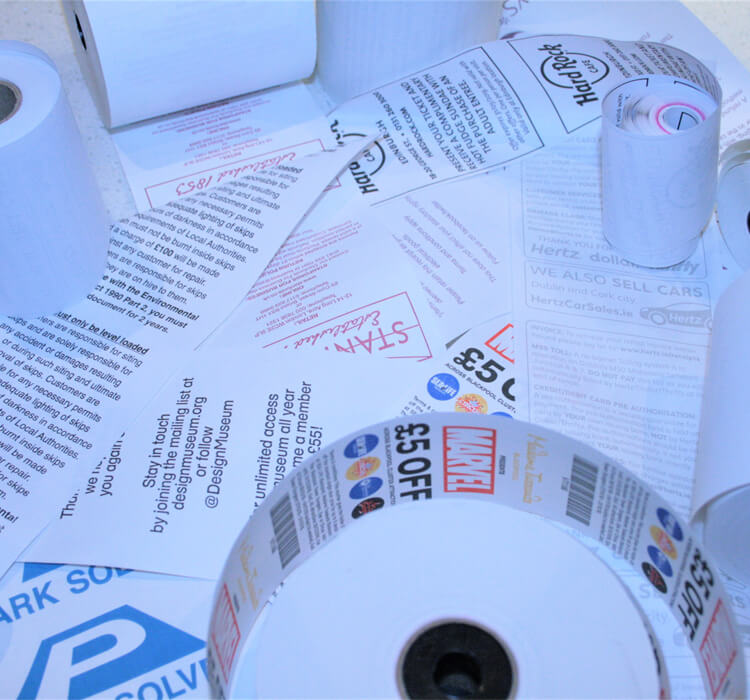
As the 20th century rolled in, the use of ticket rolls spread to various sectors. They became a staple in movie theatres, carnivals, and public transportation systems. Different colours, sizes, and designs were introduced, making ticket rolls not just functional but also a means of branding and advertising.
With the introduction of computer technology, ticket rolls evolved once more. Barcode and QR code systems were integrated into ticket design, allowing for easier tracking and verification. Despite the use of digital ticketing increasing year on year, physical ticket rolls continue to remain relevant. They provide tangible proof of admission, are less prone to technical glitches, and offer a nostalgic charm that digital tickets can’t replicate.
The history of ticket rolls is a testament to human innovation and adaptability. They’ve evolved with society’s needs, from simple paper strips in the Industrial Revolution to sophisticated barcoded tickets in the modern age. As we move further into the digital era, it’s anyone’s guess how ticket rolls will evolve even further. One thing is certain: they’ve been a part of our history for centuries, and they are here to stay for the foreseeable future.
So, the next time you hold a ticket from a roll in your hand, remember that you’re holding a piece of history. Whether you’re at a local fair, a concert, or boarding a train, these little pieces of paper have been part of human history for centuries, connecting us to the past even as they help us move into the future.
Here at BPC UK, we manufacture many types of transport tickets that are supplied on rolls to the required widths and lengths and can be supplied either plain or with pre-printed promotional or informational messages. If you require more information, please contact us today and our team will be more than happy to help.